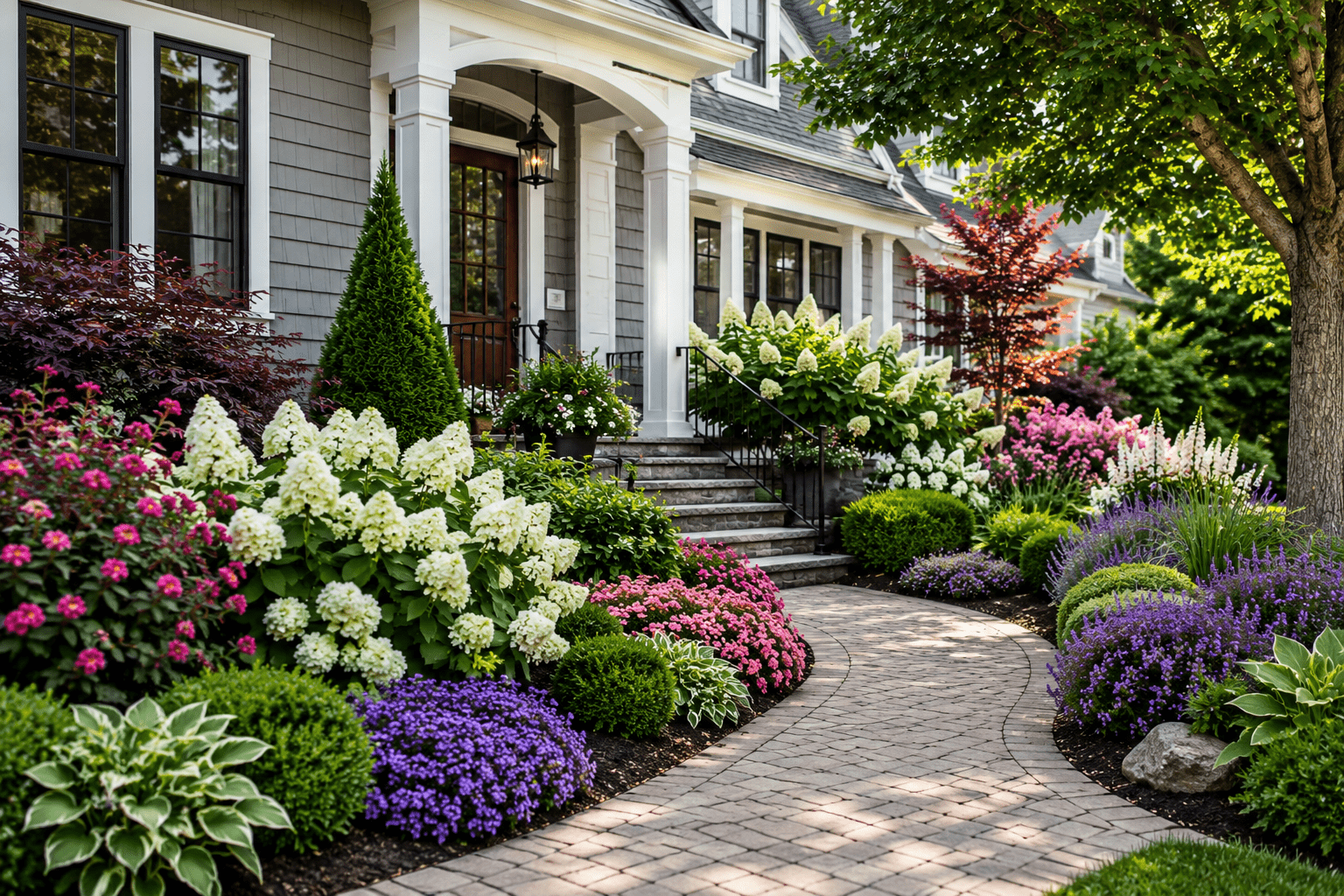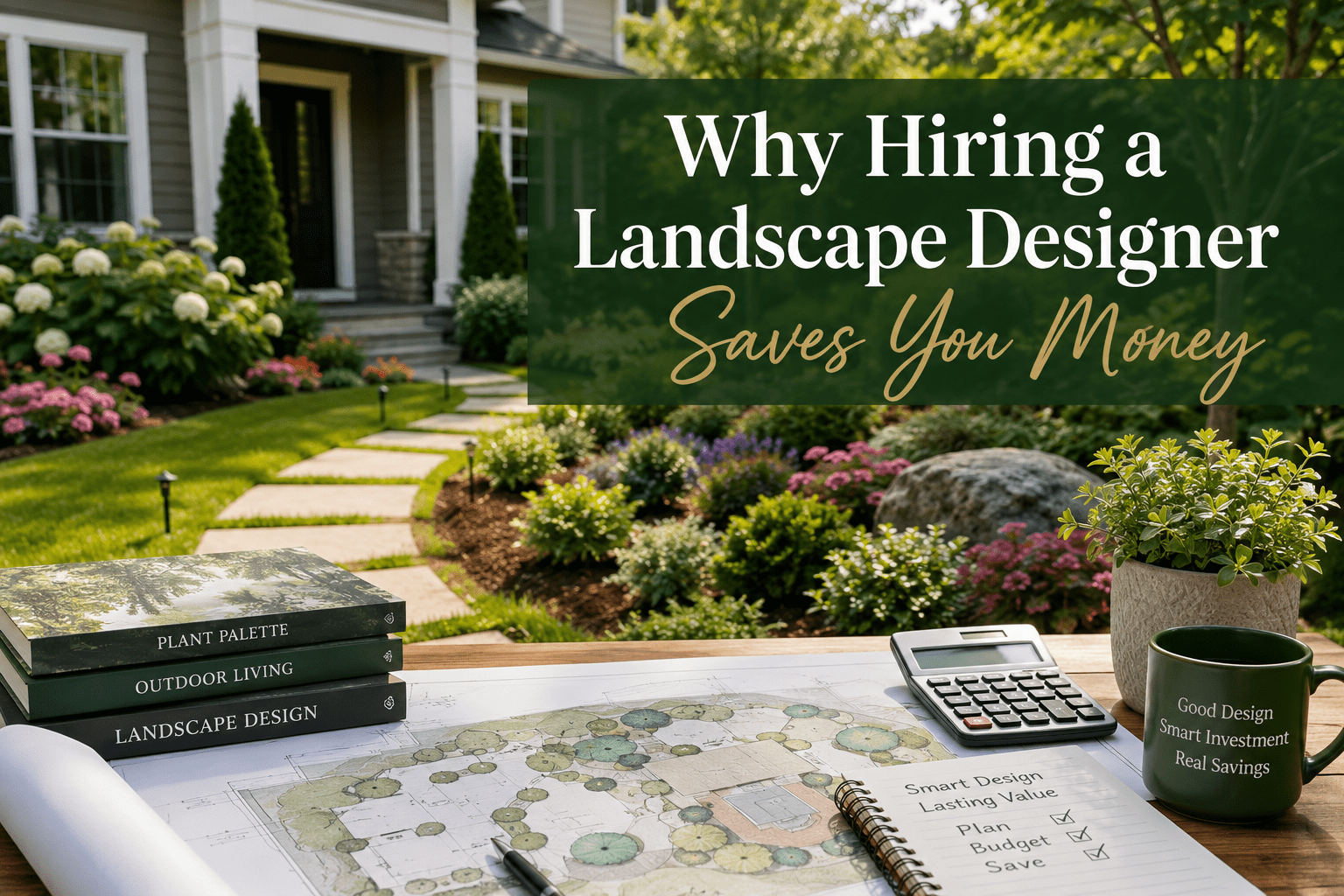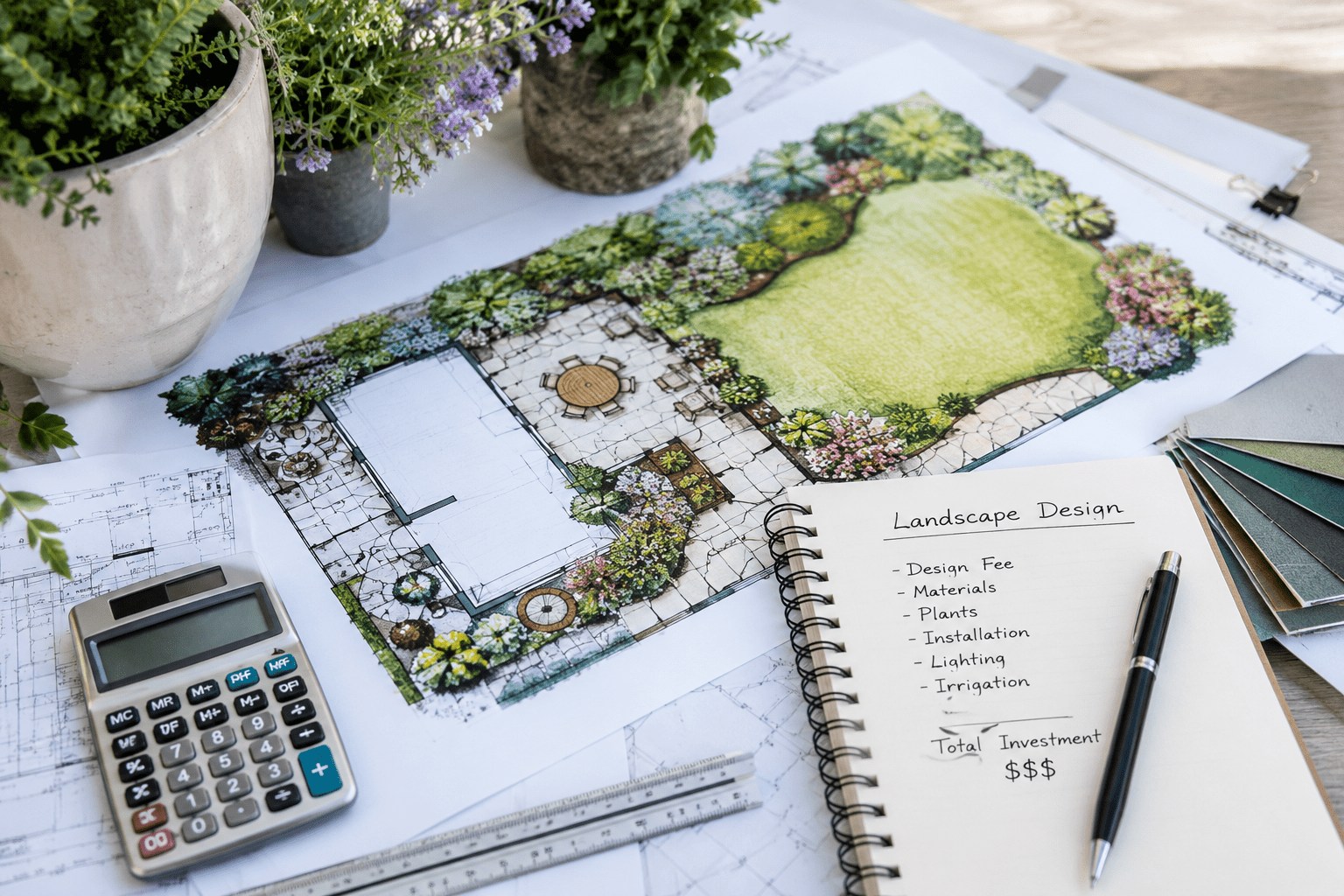
Creating a beautiful outdoor space is one of the best investments you can make in your home. A professionally designed landscape improves curb appeal, increases property value, creates functional outdoor living spaces, and makes your home more enjoyable throughout the year.
Yet one of the first questions homeowners ask is:
“How much does professional landscape design cost?”
The answer depends on several factors, including the size of your property, the complexity of the project, the designer’s experience, your geographic location, and the level of service you choose.
Whether you’re planning a simple front yard refresh or a complete backyard transformation, understanding how landscape designers price their services will help you budget confidently and avoid unexpected costs.
In this guide, we’ll break down typical pricing, what affects costs, what you receive for your investment, and why professional landscape design often saves homeowners money in the long run.
Average Cost of Professional Landscape Design
Landscape design pricing varies widely across the United States, but most homeowners can expect to invest somewhere within these ranges.
| Project Type | Typical Design Cost |
|---|---|
| Basic Front Yard Design | $500 – $1,500 |
| Small Residential Property | $1,000 – $3,000 |
| Medium Landscape Project | $2,500 – $6,000 |
| Large Custom Estate Design | $5,000 – $15,000+ |
| Luxury Landscape Master Plan | $10,000 – $25,000+ |
Remember that these numbers represent design services only, not installation.
Installation costs can range from a few thousand dollars for simple improvements to well over $100,000 for luxury outdoor living spaces.
What Is Included in Landscape Design?
Many homeowners assume they’re simply paying someone to sketch a few plants on paper. Professional landscape design is much more comprehensive.
A typical landscape design package may include:
- Initial consultation
- Site measurements
- Property analysis
- Existing conditions review
- Drainage evaluation
- Sun and shade analysis
- Soil considerations
- Design concept
- Plant recommendations
- Hardscape layout
- Outdoor living space planning
- Lighting recommendations
- Material selections
- Color renderings
- Installation drawings
- Planting plans
Some designers also provide:
- 3D renderings
- Virtual walkthroughs
- Construction details
- Irrigation plans
- Contractor coordination
- Project management
- Installation oversight
The more detailed the plan, the higher the design investment.
Common Landscape Design Pricing Models
Different landscape designers charge in different ways. Understanding these pricing structures helps homeowners compare proposals fairly.
Flat Fee
Many residential designers charge a flat project fee.
For example:
- Front yard design: $900
- Backyard design: $1,500
- Full property master plan: $3,500
Flat fees make budgeting easier because you know the cost upfront.
Hourly Rate
Some landscape designers charge by the hour.
Typical hourly rates range from:
- $75–$100/hour for newer designers
- $100–$175/hour for experienced professionals
- $175–$300+/hour for nationally recognized designers
Hourly billing often works well for consultations or small revisions.
Percentage of Installation Cost
Some firms charge a percentage of the final installation budget.
Typical percentages include:
- 8%
- 10%
- 12%
- 15%
For example:
If your landscape installation costs $50,000, the design fee may be:
10% × $50,000 = $5,000
Design Consultation Only
Some homeowners simply want professional advice.
Consultation fees often range between:
- $100–$500
These meetings usually last one to two hours and include recommendations without producing a formal design.
Factors That Affect Landscape Design Costs
Every property is different.
Several factors influence the final design fee.
1. Property Size
Larger lots require:
- More measurements
- More planning
- More plant selections
- More detailed drawings
Designing a one-acre property naturally requires more work than designing a small suburban front yard.
2. Project Complexity
A basic planting bed costs far less to design than a complete outdoor living space featuring:
- Outdoor kitchen
- Fireplace
- Pergola
- Waterfall
- Pool
- Multiple patios
- Retaining walls
- Extensive lighting
Every additional feature requires more planning.
3. Existing Site Conditions
Difficult sites increase design time.
Examples include:
- Steep slopes
- Poor drainage
- Large trees
- Rock outcroppings
- Easements
- Utility conflicts
- Septic systems
These challenges require creative solutions.
4. Level of Detail
A simple concept drawing costs less than a detailed construction package.
More detailed plans may include:
- Plant spacing
- Irrigation zones
- Lighting layouts
- Material specifications
- Construction dimensions
- Grading plans
Detailed drawings help installers build exactly what was envisioned.
5. Geographic Location
Landscape design fees vary significantly depending on where you live.
Major metropolitan areas generally command higher prices than smaller communities because of:
- Higher labor costs
- Increased demand
- Higher business expenses
6. Designer Experience
Like architects and interior designers, landscape designers develop expertise over time.
Experienced designers may charge more because they provide:
- Better plant knowledge
- Improved functionality
- Greater creativity
- More efficient planning
- Fewer costly mistakes
Often, paying slightly more for an experienced designer saves money during installation.
Why Professional Design Costs More Than DIY Plans
Free online landscape tools seem appealing.
Unfortunately, they rarely account for:
- Soil conditions
- Local climate
- Drainage
- Mature plant sizes
- Property grading
- Existing utilities
- HOA restrictions
Professional designers evaluate the entire property rather than simply arranging attractive plants.
This comprehensive planning reduces costly mistakes.
How Landscape Design Saves Money
Many homeowners initially hesitate to spend money on design. Ironically, good design often reduces overall project costs.
Prevents Planting Mistakes
Replacing dead plants becomes expensive.
Professional designers select plants suited for:
- Climate
- Sun exposure
- Soil type
- Moisture conditions
Healthy plants thrive with less maintenance.
Reduces Material Waste
Accurate measurements prevent purchasing:
- Too much mulch
- Excess stone
- Extra pavers
- Additional edging
- Unnecessary plants
Even small measurement errors can cost hundreds of dollars.
Avoids Construction Errors
Poor planning can result in:
- Patios that are too small
- Walkways that feel awkward
- Drainage problems
- Poor traffic flow
- Insufficient lighting
Correcting these mistakes later is often far more expensive than investing in thoughtful design from the beginning.
Allows Phased Installation
A master landscape plan enables homeowners to complete projects over several years.
Instead of redesigning each season, you install improvements in logical phases while maintaining a cohesive overall vision.
What’s Usually Not Included
Many homeowners assume the design fee covers everything.
In reality, design services typically exclude:
- Installation labor
- Plants
- Trees
- Mulch
- Stone
- Irrigation installation
- Lighting fixtures
- Construction permits
- Site preparation
- Demolition
- Excavation
Always ask for a detailed list of what’s included in your proposal.
Additional Services That May Cost Extra
Depending on the project, additional services may include:
- 3D renderings
- Drone photography
- Night lighting plans
- HOA submission packages
- Irrigation design
- Construction administration
- Multiple revision rounds
- Material sourcing
- Contractor meetings
These optional services add value but also increase the overall design investment.
Is a Landscape Master Plan Worth It?
If you’re planning to stay in your home for several years, a master plan is often one of the smartest investments you can make.
A comprehensive plan provides:
- Long-term vision
- Better budgeting
- Coordinated planting
- Improved curb appeal
- Future expansion opportunities
Instead of making disconnected improvements each year, every project builds toward a unified design.
Questions to Ask Before Hiring a Landscape Designer
Choosing the right designer matters as much as choosing the right plants.
Before signing a contract, ask questions such as:
- What services are included?
- How many revisions are provided?
- Will I receive scaled drawings?
- Do you provide plant lists?
- Can you recommend installers?
- Do you supervise installation?
- What is your design timeline?
- Can you work within my budget?
- Do you specialize in low-maintenance landscapes?
- May I see examples of similar projects?
Clear communication early helps avoid misunderstandings later.
Typical Design Timeline
Landscape design is a process.
While timelines vary, many residential projects follow this schedule:
Week 1
- Initial consultation
- Site visit
- Measurements
- Discuss goals and budget
Week 2–3
- Site analysis
- Preliminary concepts
- Design development
Week 4–5
- Review meeting
- Revisions
- Final design
Week 6+
- Installation planning
- Contractor estimates
- Scheduling
Larger or more complex projects may take several months.
Signs You’re Getting Good Value
The lowest price isn’t always the best deal.
A quality landscape designer should:
- Listen carefully to your goals.
- Respect your budget.
- Design for your climate.
- Balance beauty with practicality.
- Recommend appropriate plants.
- Consider maintenance requirements.
- Think about long-term growth.
- Create spaces that fit your lifestyle.
- Provide clear, professional drawings.
Good design pays dividends for years through easier maintenance, healthier plants, and a landscape that matures gracefully.
How to Budget for Landscape Design
If you’re unsure where to begin, a helpful guideline is to allocate roughly 5%–15% of your total landscape project budget toward design. Simpler projects often fall near the lower end of that range, while custom outdoor living spaces and complex sites may require a higher percentage.
For example:
| Installation Budget | Estimated Design Budget |
|---|---|
| $5,000 | $250–$750 |
| $10,000 | $500–$1,500 |
| $25,000 | $1,250–$3,750 |
| $50,000 | $2,500–$7,500 |
| $100,000 | $5,000–$15,000 |
Investing in a well-thought-out design at the beginning helps ensure the installation budget is spent wisely.
Why Every Home Doesn’t Need the Same Level of Design
Not every property requires a comprehensive master plan. The right level of design depends on your goals.
A homeowner looking to improve curb appeal before selling may only need a front foundation planting plan and updated entry landscaping. Someone building a forever home, on the other hand, may benefit from a complete property design that includes outdoor entertaining spaces, lighting, drainage, and phased future improvements.
Matching the design package to your needs helps you receive the greatest value for your investment without paying for services you don’t require.
Final Thoughts
Professional landscape design is about much more than selecting attractive plants. It is a strategic investment that transforms outdoor spaces into functional, beautiful, and lasting environments tailored to your property and lifestyle.
While design fees can range from a few hundred dollars for a simple consultation to several thousand dollars for a comprehensive master plan, the expertise you gain often prevents expensive mistakes, streamlines installation, and creates a landscape that continues to grow in beauty and value over time.
Before hiring a designer, take time to define your goals, establish a realistic budget, and compare proposals based on the scope of services—not just the lowest price. A thoughtful design provides a roadmap for your project, allowing you to complete improvements in phases while ensuring every element works together harmoniously.
In the end, professional landscape design isn’t simply another project expense. It’s the foundation for making informed decisions, maximizing your investment, and creating an outdoor space you’ll enjoy for years to come. Whether your dream is a welcoming front entrance, a low-maintenance garden, or an expansive backyard retreat, a professionally designed landscape gives you the confidence that every dollar spent is contributing to a cohesive, attractive, and enduring result.