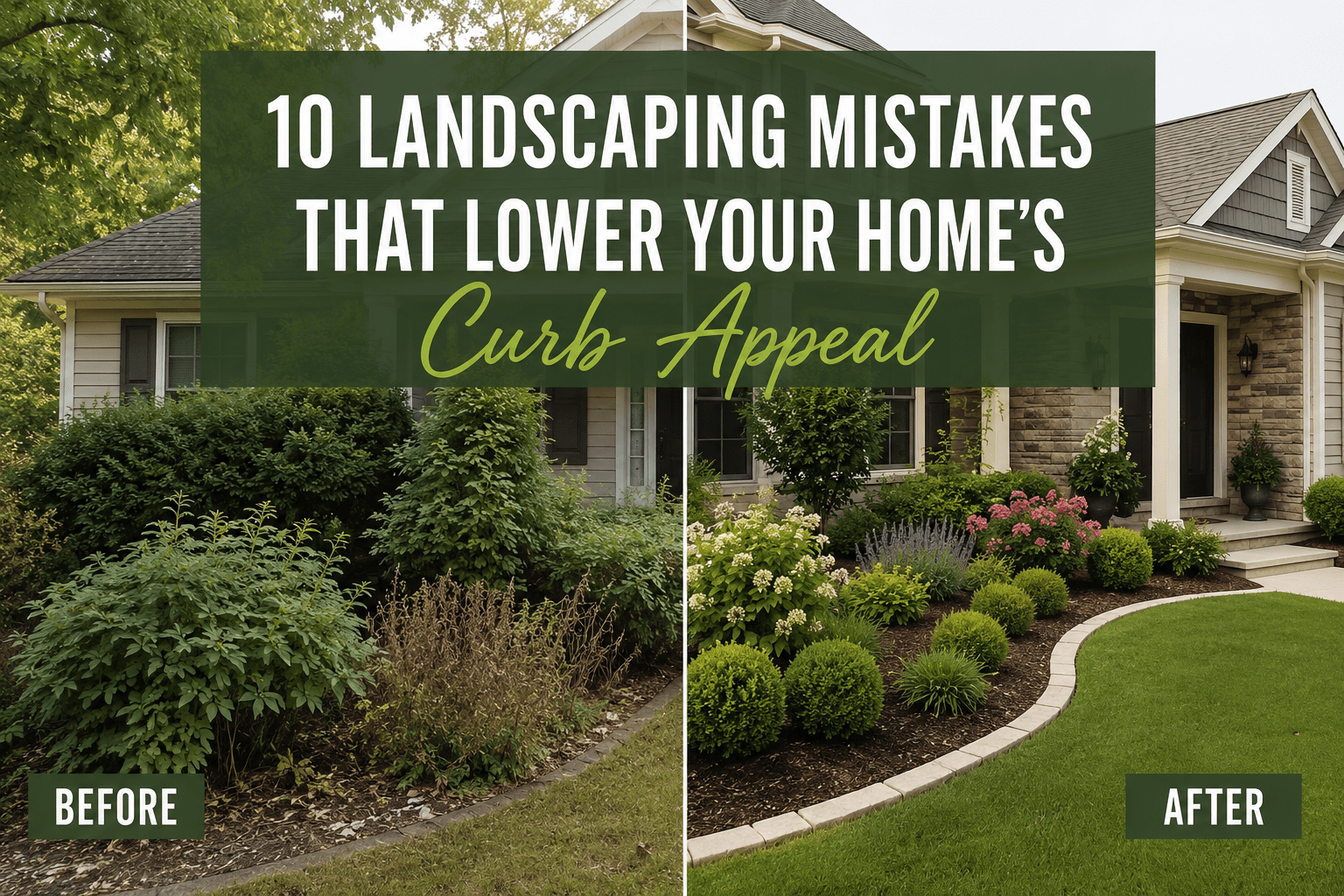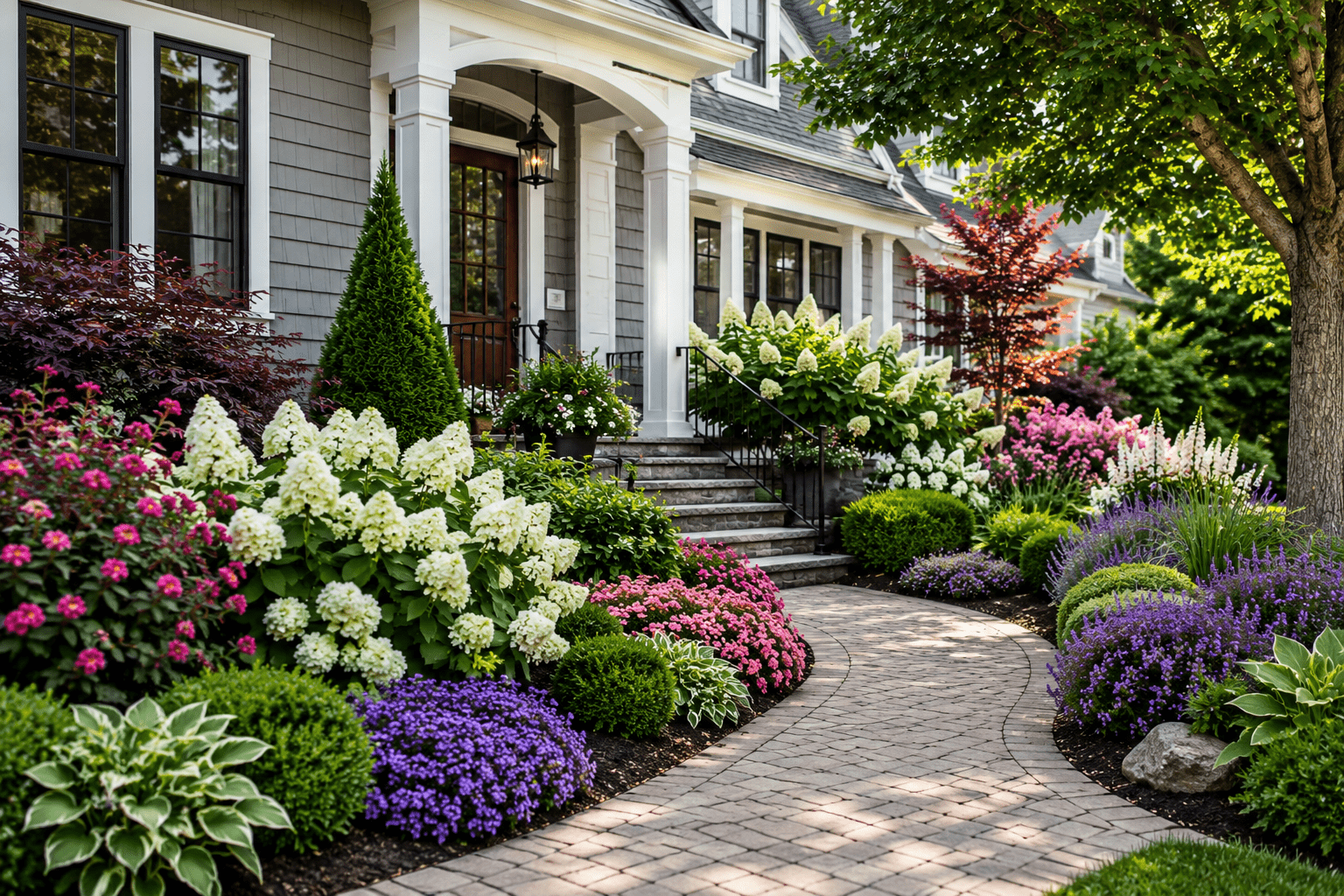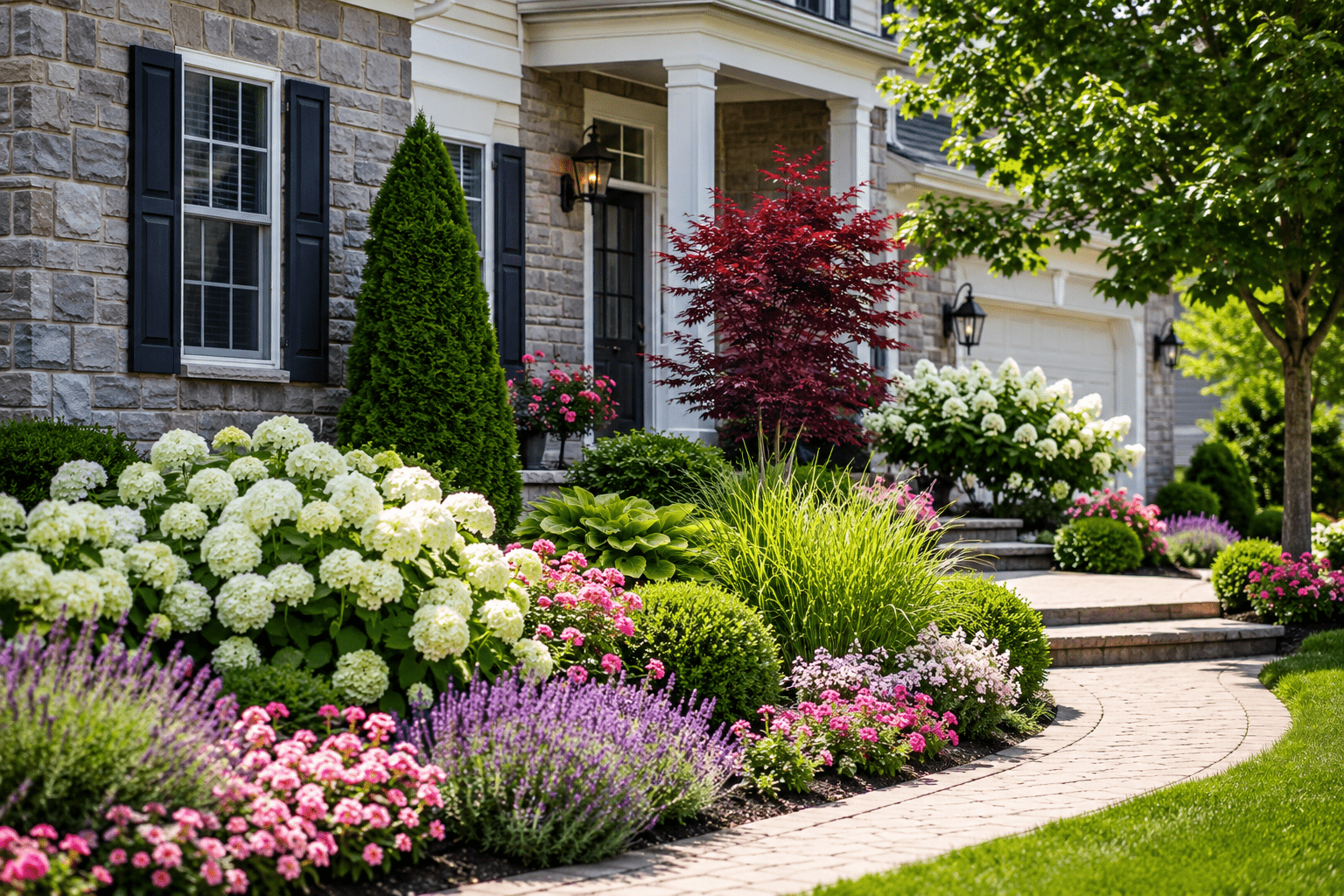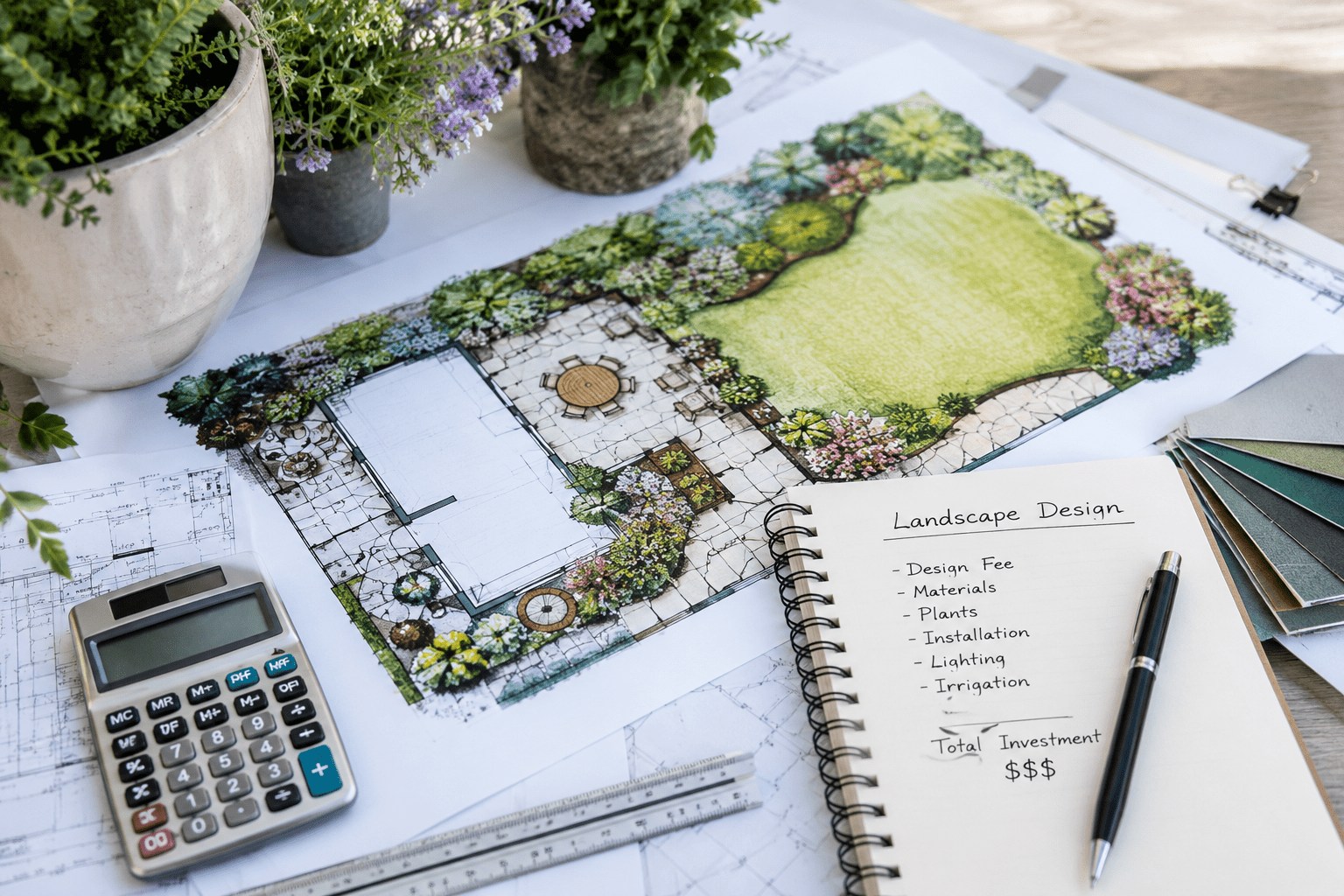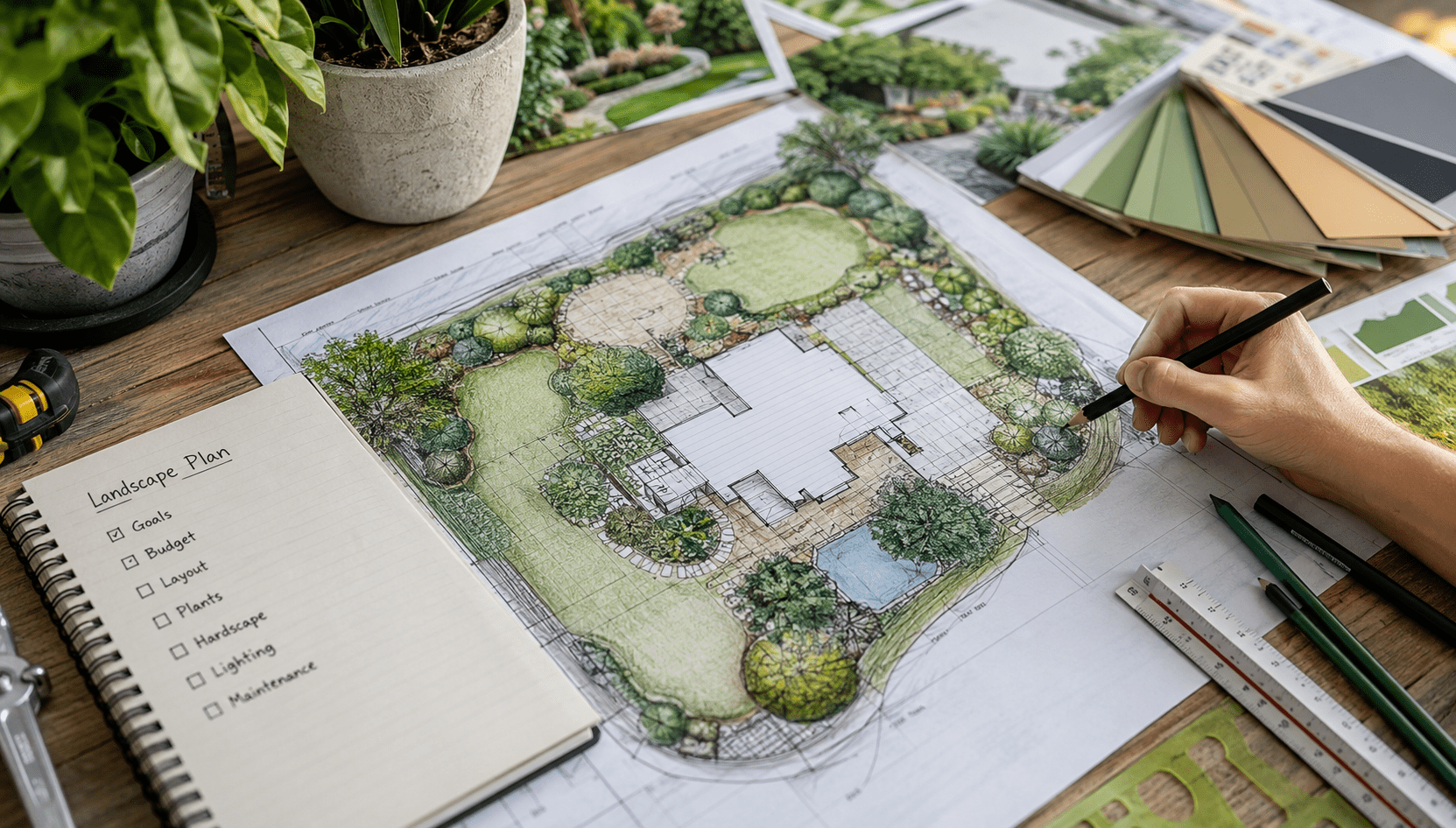
A beautiful landscape doesn’t happen by accident. Whether you’re dreaming of a colorful cottage garden, a modern outdoor living space, or a low-maintenance yard that looks great year-round, every successful landscape begins with a well-thought-out plan.
Many homeowners make the mistake of rushing into a landscaping project by purchasing plants they like or installing features without considering how everything will work together. The result is often wasted money, overcrowded gardens, high maintenance, and a landscape that never quite achieves the vision they had in mind.
Taking the time to properly plan your landscape can save thousands of dollars, reduce future maintenance, increase your home’s curb appeal, and create an outdoor space you’ll enjoy for years.
In this guide, we’ll walk through everything you should consider before the first shovel ever touches the ground.
Why Planning Matters
Landscape projects are investments.
Unlike painting a room or replacing furniture, landscaping becomes a permanent part of your property. Trees grow larger, shrubs mature, patios last decades, and drainage issues can become expensive problems if ignored.
A thoughtful plan helps you:
- Avoid costly mistakes
- Keep the project within budget
- Improve property value
- Reduce maintenance
- Increase functionality
- Create a cohesive design
- Phase projects over time if needed
- If you’re landscaping near a property line, don’t overlook these boundary design strategies
Professional landscape designers spend far more time planning than planting—and for good reason.
Step 1: Define Your Goals
Before choosing flowers or browsing Pinterest, ask yourself:
How do I want to use my yard?
Your landscape should match your lifestyle.
Possible goals include:
- Entertaining guests
- Family gatherings
- Outdoor dining
- Relaxing after work
- Gardening
- Children’s play area
- Pet-friendly spaces
- Wildlife habitat
- Vegetable gardening
- Increasing privacy
- Improving curb appeal
- Boosting resale value
Write down your top priorities.
Everything in your design should support those goals.
Step 2: Evaluate Your Existing Landscape
Take an honest look at what already exists.
Walk your property several times throughout the day.
Notice:
Sunlight
Which areas receive:
- Full sun (6+ hours)
- Partial shade
- Full shade
Sun exposure changes dramatically throughout the day.
Plants that thrive in full sun may fail in afternoon shade.
Soil
Healthy soil makes healthy plants.
Consider:
- Clay soil
- Sandy soil
- Loamy soil
- Rocky areas
Simple soil testing can reveal:
- pH
- Nutrient deficiencies
- Organic matter
- Drainage quality
Drainage
Observe after heavy rain.
Look for:
- Standing water
- Muddy areas
- Erosion
- Water flowing toward the home
- Downspout discharge locations
Drainage problems should always be solved before landscaping.
Existing Plants
Determine what should stay.
Healthy mature trees often become valuable focal points.
Consider removing:
- Overgrown shrubs
- Diseased trees
- Invasive plants
- Dead landscaping
- Poorly placed bushes
Utilities
Locate:
- Underground gas lines
- Water lines
- Electric lines
- Septic systems
- Irrigation
- Cable
Always contact utility locating services before digging.
Step 3: Set a Budget
One of the biggest mistakes homeowners make is designing without knowing their budget.
Determine:
- Total available budget
- Desired timeline
- DIY versus professional installation
Your budget should include:
- Design fees
- Plants
- Trees
- Mulch
- Soil amendments
- Stone
- Hardscaping
- Irrigation
- Lighting
- Outdoor furniture
- Maintenance
Also set aside approximately 10–15% for unexpected expenses.
Step 4: Understand Your Maintenance Style
Every landscape requires maintenance.
The question is:
How much maintenance are you willing to perform?
Ask yourself:
- Do I enjoy gardening?
- Will I hire maintenance?
- Do I travel frequently?
- How much time can I spend outside?
A landscape requiring ten hours of work each week isn’t enjoyable if you only have one free afternoon each month.
Choose plants and materials that match your lifestyle—not someone else’s.
Step 5: Create Outdoor Rooms
Think of your yard like your home.
Inside your house you have:
- Kitchen
- Living room
- Dining room
- Bedroom
Outside should be similar.
Possible outdoor rooms include:
Entry Garden
Creates a welcoming first impression.
Patio
Dining and entertaining.
Fire Pit Area
Gathering space.
Lawn
Play and recreation.
Garden
Flowers and pollinators.
Vegetable Garden
Fresh produce.
Quiet Retreat
Reading and relaxation.
Each space should have a purpose.
Step 6: Consider Traffic Flow
People naturally follow the easiest path.
Observe where people already walk.
Design pathways that feel natural.
Questions to consider:
- Can guests easily reach the front door?
- Is the patio connected to the house?
- Can lawn equipment move freely?
- Are pathways wide enough?
Good circulation makes a landscape feel intuitive.
Step 7: Decide on a Style
Choose a consistent design style.
Popular landscape styles include:
Cottage Garden
- Colorful
- Informal
- Overflowing flowers
- Curved beds
Perfect for traditional homes.
Modern
- Clean lines
- Minimal plant palette
- Concrete
- Steel edging
- Geometric layouts
Ideal for contemporary homes.
Natural
- Native plants
- Wildlife-friendly
- Organic shapes
- Meadow plantings
Low environmental impact.
Traditional
- Symmetry
- Foundation shrubs
- Formal beds
- Balanced design
Timeless and elegant.
Mediterranean
- Gravel
- Drought-tolerant plants
- Warm colors
- Terracotta
Great for dry climates.
Choose one primary style rather than mixing several.
Step 8: Prioritize Hardscaping
Hardscaping forms the framework of your landscape.
Examples include:
- Patios
- Walkways
- Retaining walls
- Driveways
- Steps
- Fire pits
- Seating walls
- Pergolas
Plants change over time.
Hardscaping remains for decades.
Install permanent features before planting.
Step 9: Choose the Right Plants
Plants should be selected based on more than appearance.
Consider:
Mature Size
Don’t buy based on current size.
Read the plant tag.
A three-foot shrub may become twelve feet wide.
Climate
Choose plants suitable for your USDA Hardiness Zone.
Sun Requirements
Match plants to available light.
Water Needs
Group plants with similar watering requirements.
This makes irrigation easier.
Seasonal Interest
Aim for year-round beauty.
Include plants that offer:
Spring:
- Flowers
Summer:
- Foliage
- Blooms
Autumn:
- Color
- Berries
Winter:
- Bark
- Evergreens
- Seed heads
Step 10: Layer Your Plantings
Professional landscapes use layers.
Typically:
Back layer:
- Trees
Middle layer:
- Shrubs
Front layer:
- Perennials
- Ornamental grasses
Edge:
- Groundcovers
- Annual flowers
Layering creates depth and visual interest.
Step 11: Think About Scale
Large homes require larger landscape elements.
Tiny plants surrounding a large two-story home often look insignificant.
Likewise, oversized trees can overwhelm a small cottage.
Everything should feel proportional.
Step 12: Add Color Carefully
Too much color creates visual chaos.
Instead:
Choose a limited color palette.
Example:
- White
- Purple
- Blue
Or:
- Pink
- Lavender
- Burgundy
Repeating colors throughout the landscape creates unity.
Step 13: Include Evergreens
Many landscapes look empty during winter.
Evergreens provide:
- Structure
- Privacy
- Winter color
- Wind protection
Aim for a balance between evergreen and deciduous plants.
Step 14: Plan for Privacy
Privacy can be created using:
- Trees
- Evergreen hedges
- Decorative fencing
- Pergolas
- Tall ornamental grasses
- Layered shrub borders
Screen undesirable views while preserving attractive ones.
Step 15: Consider Lighting
Landscape lighting dramatically improves nighttime beauty.
Popular options include:
- Path lights
- Uplighting trees
- Step lights
- Patio lighting
- Accent lighting
- Wall lighting
Lighting also improves safety and security.
Step 16: Think Long-Term
Ask yourself:
What will this yard look like in:
- Five years?
- Ten years?
- Twenty years?
Trees mature.
Shrubs spread.
Gardens fill in.
Planning for mature growth prevents overcrowding.
Step 17: Plan Irrigation
Consistent watering is essential during establishment.
Options include:
- Hose watering
- Soaker hoses
- Drip irrigation
- Sprinkler systems
- Smart irrigation controllers
Water efficiency saves money while keeping plants healthy.
Step 18: Create a Phased Plan
Many homeowners don’t complete everything at once.
That’s perfectly acceptable.
A phased approach may look like:
Phase One
- Grading
- Drainage
- Patios
- Walkways
Phase Two
- Trees
- Shrubs
- Lawn
Phase Three
- Perennials
- Lighting
- Decorative features
Phase Four
- Outdoor kitchen
- Water feature
- Additional gardens
A master plan ensures every phase works together.
Common Planning Mistakes
- Planting too close together
- Ignoring drainage
- Buying impulse plants
- Choosing plants that outgrow the space
- Forgetting winter interest
- Skipping soil improvement
- Installing plants before hardscaping
- Overcomplicating the design
- Mixing too many design styles
- Underestimating maintenance
Most costly landscape problems begin during the planning stage—not installation.
Questions to Ask Before Starting
Before breaking ground, answer these questions:
- What is my primary goal?
- What is my total budget?
- Which features are must-haves?
- What maintenance level do I want?
- How much sun does each area receive?
- Where does water flow?
- Which plants thrive locally?
- What style best fits my home?
- Can this project be completed in phases?
- Will the design still look good ten years from now?
If you can confidently answer these questions, you’re well on your way to a successful landscape.
When Should You Hire a Landscape Designer?
While many homeowners enjoy DIY gardening, larger projects often benefit from professional planning.
A landscape designer can help with:
- Site analysis
- Creative design concepts
- Plant selection
- Drainage solutions
- Outdoor living layouts
- Material selection
- Budget planning
- Phased installation plans
- Contractor-ready drawings
Professional design is especially valuable for sloped properties, new construction, large lots, or projects involving patios, retaining walls, drainage, or multiple outdoor living spaces. A well-developed plan often prevents costly revisions and helps ensure every element works together from the beginning.
Final Thoughts
A successful landscape is built on thoughtful planning, not impulse purchases. By taking time to understand your property’s conditions, define clear goals, establish a realistic budget, and design with both beauty and functionality in mind, you’ll create an outdoor space that enhances your home for years to come.
Remember that landscapes are living environments that evolve. Trees mature, gardens fill in, and your family’s needs may change. A flexible master plan allows your landscape to grow gracefully while preserving a cohesive look.
Whether your vision is a peaceful backyard retreat, a vibrant pollinator garden, or a front yard that turns heads with exceptional curb appeal, starting with a comprehensive plan is the smartest investment you can make. With careful preparation today, you’ll enjoy a healthier, more beautiful, and more functional landscape tomorrow—and avoid the costly mistakes that come from skipping the planning process.
Frequently Asked Questions (FAQ)
1. Why is planning important before starting a landscape project?
Planning helps you avoid costly mistakes, establish a realistic budget, improve drainage, choose the right plants, and create a cohesive landscape that increases your home’s value.
2. What should I do first when planning a landscape?
Start by identifying your goals. Decide how you want to use your outdoor space, whether it’s for entertaining, gardening, increasing curb appeal, creating privacy, or reducing maintenance.
3. How much should I budget for a landscaping project?
Your budget depends on the project’s size and complexity. Include costs for design, plants, hardscaping, irrigation, lighting, soil preparation, mulch, labor, and set aside an additional 10–15% for unexpected expenses.
4. Should I install hardscaping before planting?
Yes. Patios, walkways, retaining walls, pergolas, and other permanent features should be installed before adding trees, shrubs, and flowers to prevent unnecessary damage and rework.
5. How do I choose the right plants?
Select plants based on your USDA Hardiness Zone, sunlight exposure, soil conditions, mature size, water requirements, and desired seasonal interest rather than appearance alone.
6. How can I make my landscape low maintenance?
Choose native or adapted plants, reduce lawn areas, install mulch, group plants with similar watering needs, use drip irrigation, and avoid overcrowding your garden beds.
7. Can I complete a landscape project in phases?
Absolutely. Many homeowners spread projects over several years by first completing grading and hardscaping, then planting trees and shrubs, followed by perennial gardens, lighting, and decorative features.
8. When should I hire a professional landscape designer?
Hiring a landscape designer is recommended for larger projects, sloped properties, drainage issues, new construction, outdoor living spaces, or when you want a detailed master plan that saves time and money during installation.