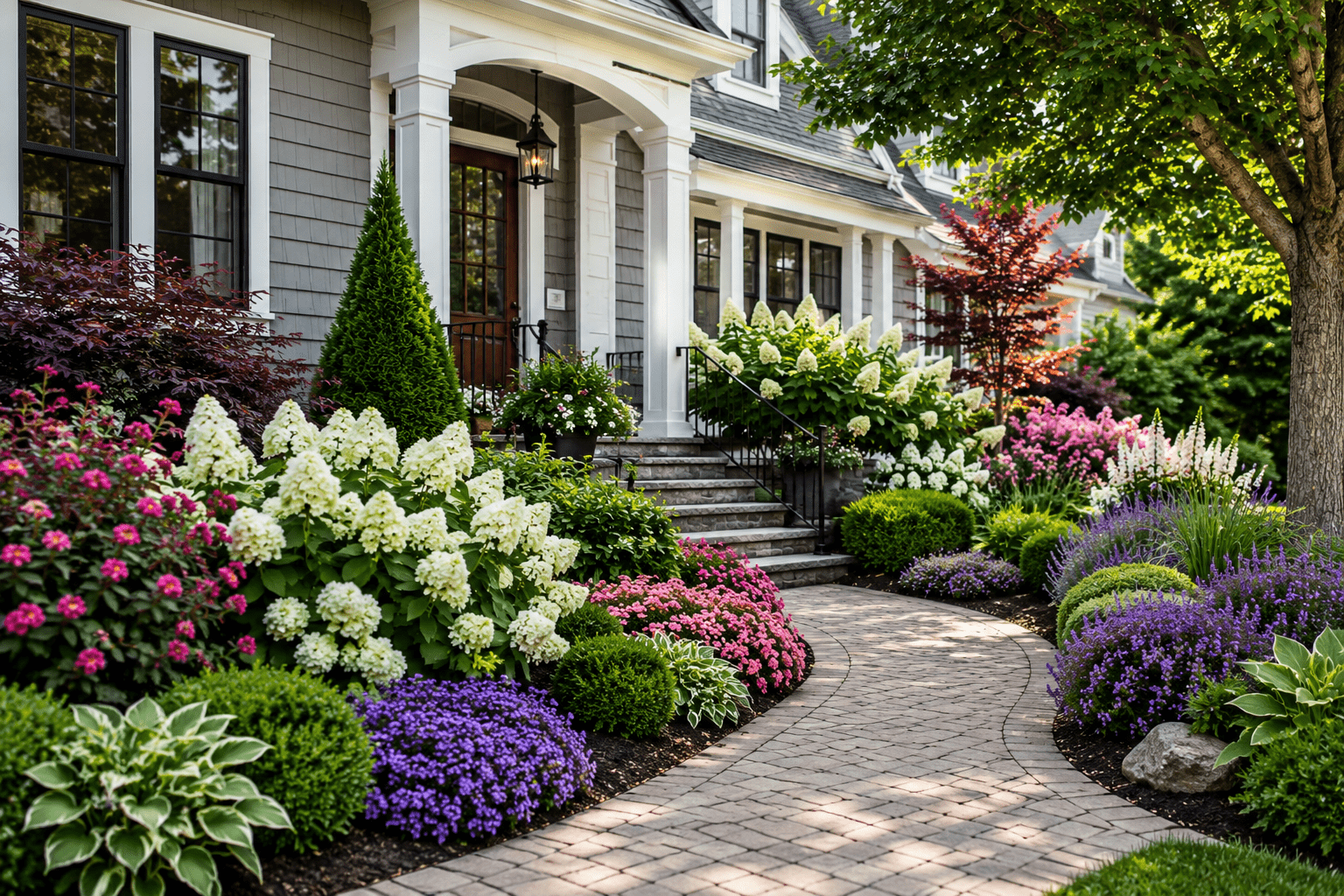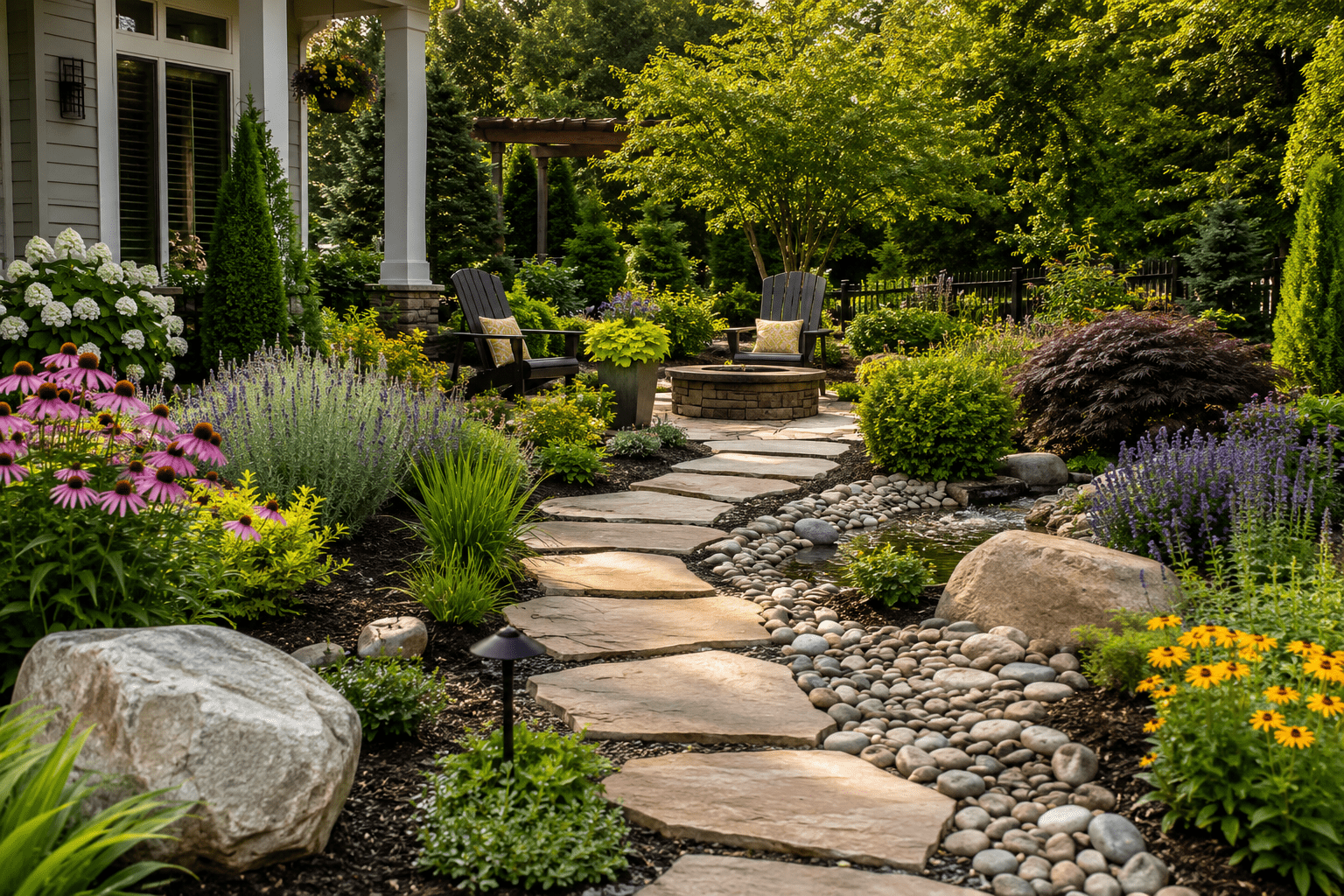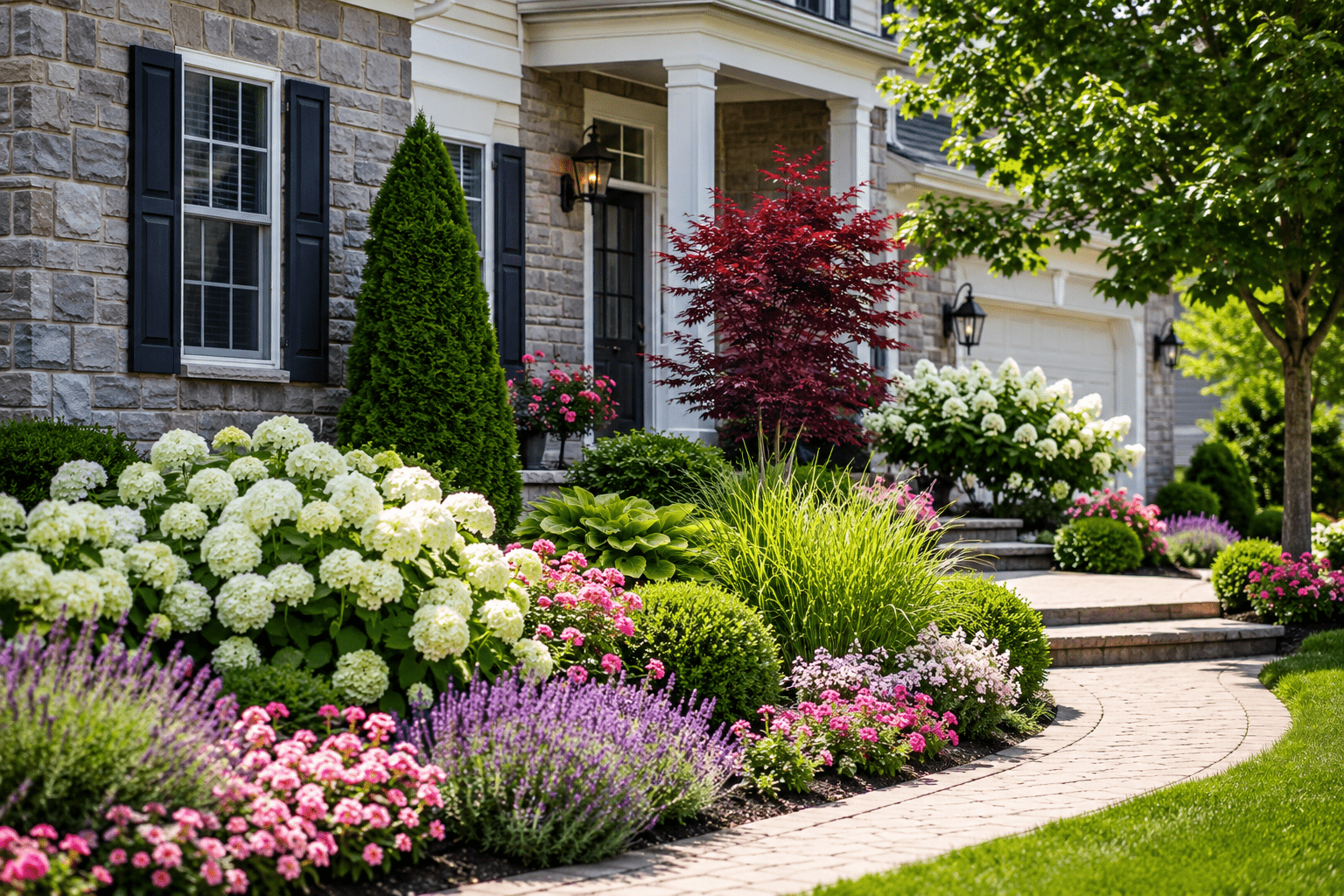
First impressions matter, and your home’s landscape is one of the first things visitors, neighbors, and potential buyers notice. Whether you’re preparing to sell your home or want to create a welcoming outdoor space, the right plants can dramatically enhance your property’s curb appeal. A thoughtfully designed landscape adds color, texture, structure, and seasonal interest while complementing your home’s architectural style.
Professional landscape designers understand that exceptional curb appeal isn’t about filling every available space with flowers. Instead, it’s about selecting plants that provide year-round beauty, require maintenance appropriate to your lifestyle, and thrive in your local climate. By combining evergreen shrubs, flowering perennials, ornamental grasses, and accent trees, you can create a landscape that looks polished and inviting in every season.
When selecting plants, consider your USDA Hardiness Zone, the amount of sunlight your yard receives, soil conditions, mature plant size, and maintenance requirements. Choosing plants suited to your environment will help ensure they remain healthy and attractive for years to come.
The following 25 plants are among the most popular choices used by professional landscape designers because they offer outstanding visual impact, dependable performance, and long-lasting beauty. Whether you’re refreshing your front foundation beds or completely redesigning your landscape, these plants provide an excellent starting point.
1. Hydrangea
Few plants create as much visual impact as hydrangeas. Their oversized blooms and lush foliage instantly make a home feel elegant and established. Available in shades of blue, pink, white, purple, and green, hydrangeas become the centerpiece of many foundation plantings.
Hydrangeas perform best in USDA Hardiness Zones 3–9, depending on the variety. Most prefer morning sun with afternoon shade, although panicle hydrangeas tolerate full sun better than other types.
One of the greatest advantages of hydrangeas is their long blooming season. Many varieties flower from early summer through fall, providing months of color when many shrubs have already finished blooming.
Popular varieties include:
- Endless Summer
- Limelight
- Annabelle
- Little Lime
- Incrediball
Hydrangeas pair beautifully with boxwoods, hostas, coral bells, and ornamental grasses to create layered landscape designs.
Maintenance Tips
- Water deeply during dry periods.
- Apply mulch to retain soil moisture.
- Prune according to the specific variety, as some bloom on old wood while others bloom on new growth.
- Fertilize in early spring for vigorous growth.
2. Boxwood
Boxwoods have been a landscape staple for centuries, and for good reason. Their dense evergreen foliage creates clean lines, structure, and year-round beauty. Whether shaped into formal hedges or allowed to grow naturally, boxwoods give landscapes a polished appearance.
Hardy in Zones 5–9, boxwoods thrive in full sun to partial shade and adapt well to many soil types with adequate drainage.
Landscape designers frequently use boxwoods to:
- Frame entryways
- Line sidewalks
- Define garden beds
- Anchor foundation plantings
- Create symmetry around front doors
Because they remain green throughout winter, boxwoods prevent landscapes from looking barren during colder months.
Maintenance Tips
- Prune lightly once or twice per year.
- Avoid overwatering.
- Improve air circulation to reduce disease.
- Feed with a balanced fertilizer each spring.
3. Knock Out® Roses
Traditional roses often require extensive maintenance, but Knock Out® Roses changed that perception. These hardy shrubs bloom continuously from spring until frost while resisting many common rose diseases.
Available in shades of red, pink, yellow, coral, and white, Knock Out® Roses provide vibrant color for months with relatively little effort.
They thrive in Zones 5–11 and perform best in six or more hours of direct sunlight daily.
Their compact growth habit makes them excellent choices for:
- Foundation plantings
- Walkway borders
- Mailbox landscaping
- Front garden beds
- Accent groupings
Regular deadheading isn’t necessary, making them one of the easiest flowering shrubs for homeowners.
Maintenance Tips
- Prune in late winter or early spring.
- Water at the base to reduce disease.
- Fertilize after new growth begins.
- Maintain good airflow between plants.
4. Japanese Maple
If you’re looking for a dramatic focal point, few trees rival the beauty of the Japanese Maple. With graceful branching, finely textured leaves, and spectacular seasonal color, these ornamental trees immediately elevate a home’s appearance.
Depending on the variety, Japanese Maples range from small shrubs to trees reaching 20–25 feet tall.
Most grow best in Zones 5–8 with morning sun and protection from intense afternoon heat.
Their foliage may emerge:
- Bright red
- Burgundy
- Green
- Orange
- Purple
In autumn, many varieties display brilliant scarlet, orange, or gold leaves before dropping.
Japanese Maples look stunning near entryways, patios, water features, or as standalone specimen trees.
Maintenance Tips
- Protect from drying winds.
- Water consistently while establishing.
- Apply mulch around the root zone.
- Prune only to remove dead or crossing branches.
5. Hostas
For shady front yards, hostas are among the best investments you can make. Their large, textured leaves create lush groundcover while adding contrast beneath trees and shrubs.
Hostas come in hundreds of varieties with foliage that ranges from:
- Deep green
- Blue-green
- Chartreuse
- Variegated cream
- White-edged leaves
Many varieties also produce attractive lavender or white flower spikes during summer.
Hostas thrive in Zones 3–9 and prefer partial to full shade with moist, well-drained soil.
Landscape designers often combine hostas with hydrangeas, ferns, coral bells, and woodland flowers.
Maintenance Tips
- Water consistently during dry spells.
- Divide every 4–5 years.
- Watch for slug damage.
- Remove dead foliage after frost.
6. Daylilies
Daylilies are among the easiest perennials to grow and reward homeowners with abundant summer flowers in nearly every color imaginable.
Although individual blooms last only one day, mature plants produce dozens—or even hundreds—of blossoms over several weeks.
Daylilies flourish in Zones 3–10 and perform best in full sun.
Available colors include:
- Yellow
- Orange
- Red
- Purple
- Pink
- Cream
- Bi-color combinations
Their arching foliage remains attractive long after flowering ends.
They’re ideal for:
- Driveway borders
- Foundation beds
- Slopes
- Mailbox plantings
- Mixed perennial gardens
Maintenance Tips
- Divide every 5–7 years.
- Remove spent flower stalks.
- Water during prolonged drought.
- Fertilize each spring lightly.
7. Coneflowers (Echinacea)
Native coneflowers combine beauty with ecological benefits. Their large daisy-like flowers attract butterflies, bees, and other pollinators while providing months of colorful blooms.
Originally known for their purple flowers, modern cultivars now include:
- White
- Orange
- Red
- Yellow
- Pink
- Coral
Coneflowers thrive in Zones 3–9 and tolerate heat, drought, and poor soils once established.
Because they bloom from midsummer into fall, they provide valuable late-season color.
Seed heads also remain attractive during winter and feed birds, especially goldfinches.
Maintenance Tips
- Plant in full sun.
- Avoid excessive watering.
- Leave seed heads for winter wildlife.
- Divide every few years if desired.
8. Ornamental Grasses
Ornamental grasses add movement, texture, and elegance that flowering plants alone cannot provide. Their graceful foliage sways in the breeze and remains attractive throughout multiple seasons.
Popular choices include:
- Feather Reed Grass
- Fountain Grass
- Switchgrass
- Little Bluestem
- Maiden Grass
Most ornamental grasses perform best in full sun and adapt well to a variety of soil conditions.
Their feathery plumes provide visual interest throughout autumn and winter, making them valuable four-season landscape plants.
Use ornamental grasses to:
- Soften hardscape edges
- Create privacy
- Accent flower beds
- Add height without overwhelming the landscape
Maintenance Tips
- Cut back in late winter.
- Avoid excessive fertilizer.
- Divide large clumps every few years.
- Water regularly until established.
9. Lavender
Lavender is beloved for its fragrant flowers, silver-gray foliage, and timeless appeal. Its soft purple blooms create a relaxing atmosphere while attracting bees and butterflies.
Hardy in Zones 5–9, lavender thrives in full sun and well-drained soil.
Once established, it is remarkably drought tolerant, making it ideal for water-wise landscapes.
Lavender works beautifully along:
- Walkways
- Front porches
- Stone borders
- Cottage gardens
- Mailbox gardens
Its fragrance also makes outdoor spaces more enjoyable.
Maintenance Tips
- Avoid overly rich soil.
- Water sparingly after establishment.
- Prune lightly after flowering.
- Ensure excellent drainage.
10. Arborvitae
When homeowners want privacy combined with year-round greenery, arborvitae is often the first recommendation.
These evergreen trees provide vertical structure while screening neighboring homes and framing landscapes.
Popular varieties include:
- Emerald Green
- Green Giant
- North Pole
- American Arborvitae
Most varieties grow in Zones 3–8 and tolerate cold winters exceptionally well.
Arborvitae make excellent:
- Privacy screens
- Property borders
- Corner plantings
- Background plantings
Maintenance Tips
- Water deeply during establishment.
- Mulch to retain moisture.
- Protect young plants from winter deer browsing where necessary.
- Prune only lightly to maintain shape.
11. Coral Bells (Heuchera)
Coral Bells are prized more for their colorful foliage than their flowers. Available in an impressive range of colors, they provide year-round interest even when not in bloom.
Leaf colors include:
- Burgundy
- Lime green
- Silver
- Caramel
- Purple
- Nearly black
Small bell-shaped flowers appear on slender stems during late spring and summer, attracting hummingbirds and pollinators.
Coral Bells thrive in Zones 4–9 and prefer partial shade, though some varieties tolerate more sun.
They make excellent edging plants and pair beautifully with hostas, hydrangeas, and ferns.
Maintenance Tips
- Remove damaged leaves in spring.
- Divide every few years.
- Avoid soggy soil.
- Apply mulch in colder climates.
12. Black-Eyed Susan
Nothing says cheerful summer garden quite like Black-Eyed Susans. Their bright golden-yellow petals surrounding dark brown centers create bold color from midsummer into fall.
Native to North America, these hardy perennials thrive in Zones 3–9 and tolerate drought, heat, and a wide range of soil conditions.
They’re excellent choices for:
- Cottage gardens
- Naturalized landscapes
- Pollinator gardens
- Front borders
- Mixed perennial beds
Butterflies, bees, and birds all benefit from these long-blooming flowers.
Maintenance Tips
- Plant in full sun.
- Deadhead for prolonged flowering.
- Divide every few years.
- Leave seed heads for winter bird interest.
13. Dwarf Alberta Spruce
For homeowners seeking an elegant evergreen accent, the Dwarf Alberta Spruce is hard to beat. Its naturally dense, conical shape adds structure and symmetry without frequent pruning.
Hardy in Zones 2–8, this slow-growing evergreen is ideal for framing front doors, anchoring foundation beds, or creating formal focal points.
Its rich green needles provide year-round color, ensuring the landscape remains attractive even in the depths of winter.
Because of its compact size, it’s especially well-suited for smaller front yards where space is limited but visual impact is desired.
Maintenance Tips
- Plant in full sun to partial shade.
- Water consistently during dry periods, especially when young.
- Avoid overcrowding to promote healthy air circulation.
- Inspect periodically for spider mites, particularly during hot, dry weather.
Continue to Part 2, where we’ll explore plants 14–25, including Weigela, Peonies, Serviceberry, Limelight Hydrangea, and other exceptional choices for creating a landscape with outstanding curb appeal throughout the year.