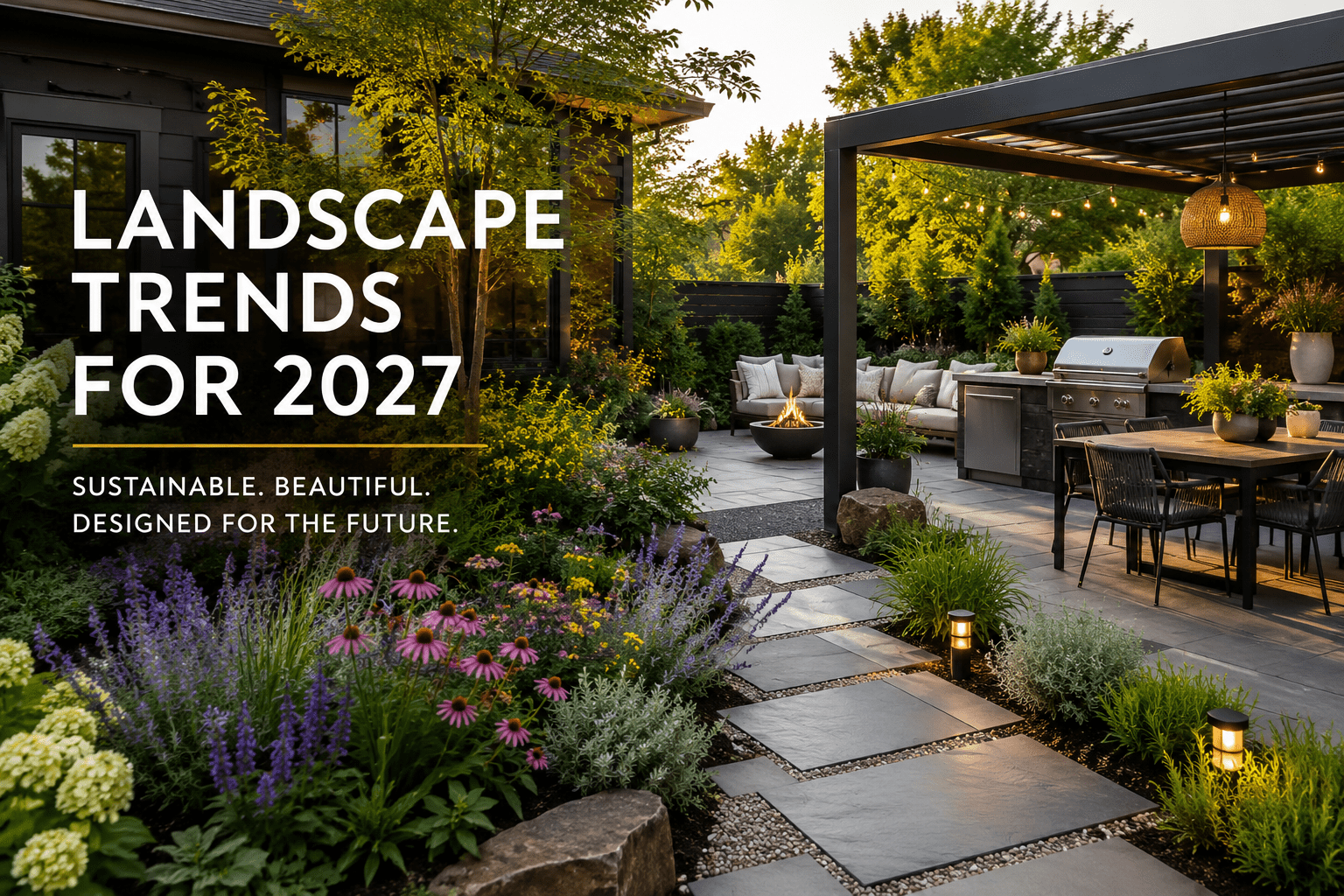
The way homeowners think about their outdoor spaces continues to evolve, and 2027 is expected to be another transformative year for landscape design. The days of perfectly manicured lawns and purely ornamental gardens are giving way to landscapes that are smarter, more sustainable, easier to maintain, and designed to improve everyday life.
Rather than simply increasing curb appeal, homeowners are investing in outdoor environments that provide relaxation, support local wildlife, conserve water, and function as true extensions of their homes. Rising utility costs, changing weather patterns, and busy lifestyles are all influencing design decisions. At the same time, advances in smart technology and outdoor materials are making it easier than ever to create beautiful, low-maintenance landscapes.
Many of these trends have already gained momentum throughout 2026 and are expected to become even more widespread during 2027. Industry experts consistently point toward sustainability, climate resilience, native plantings, outdoor living, and long-term value as the defining themes shaping the future of residential landscapes.
Whether you’re planning a complete landscape renovation or simply refreshing your yard, these are the top landscape trends expected to dominate in 2027.
1. Native Plants Become the New Standard
For years, native plants were considered an option primarily for environmental enthusiasts. In 2027, they’re expected to become mainstream.
Homeowners are realizing that native species provide numerous advantages:
- Require less water
- Need fewer fertilizers
- Resist local pests better
- Support butterflies and bees
- Attract birds
- Reduce maintenance
Instead of forcing exotic plants into unsuitable climates, landscape designers are selecting species naturally adapted to local conditions.
The result?
Healthier gardens that practically take care of themselves.
Rather than focusing on individual specimen plants, designers are creating layered plant communities that mimic natural ecosystems.
2. Lawns Continue to Shrink
Large, water-hungry lawns continue losing popularity.
Instead, homeowners are replacing unused grass with:
- Pollinator gardens
- Native planting beds
- Decorative gravel gardens
- Groundcovers
- Outdoor entertaining areas
- Vegetable gardens
- Rain gardens
Smaller lawns mean:
- Less mowing
- Lower water bills
- Fewer chemicals
- Less maintenance
The remaining turf is usually reserved for children, pets, or recreation.
Industry data shows homeowners increasingly prioritize planting and functional outdoor spaces over expansive turf areas.
3. Climate-Resilient Landscaping
Designing landscapes for changing weather patterns has become one of the biggest priorities.
Instead of asking:
“What looks pretty?”
Homeowners are asking:
“Will this survive five years from now?”
Designers are considering:
- Longer droughts
- Heavy rainfall
- Flooding
- High winds
- Extreme heat
- Temperature swings
This results in:
- Better drainage
- More shade trees
- Heat-tolerant plants
- Improved soil health
- Water-efficient irrigation
Climate resilience is quickly becoming a fundamental part of professional landscape design rather than an optional upgrade.
4. Outdoor Rooms Feel Like Indoor Spaces
Outdoor living continues to expand well beyond the backyard patio.
Today’s landscapes often include:
- Outdoor kitchens
- Dining rooms
- Fire pit lounges
- Reading gardens
- Yoga spaces
- Home office patios
- Entertainment zones
Comfort has become just as important outside as inside.
Expect more:
- Covered patios
- Pergolas
- Comfortable furniture
- Ceiling fans
- Outdoor televisions
- Built-in seating
- Decorative lighting
The goal is creating another “room” of the house.
5. Pollinator Gardens Become Beautiful Focal Points
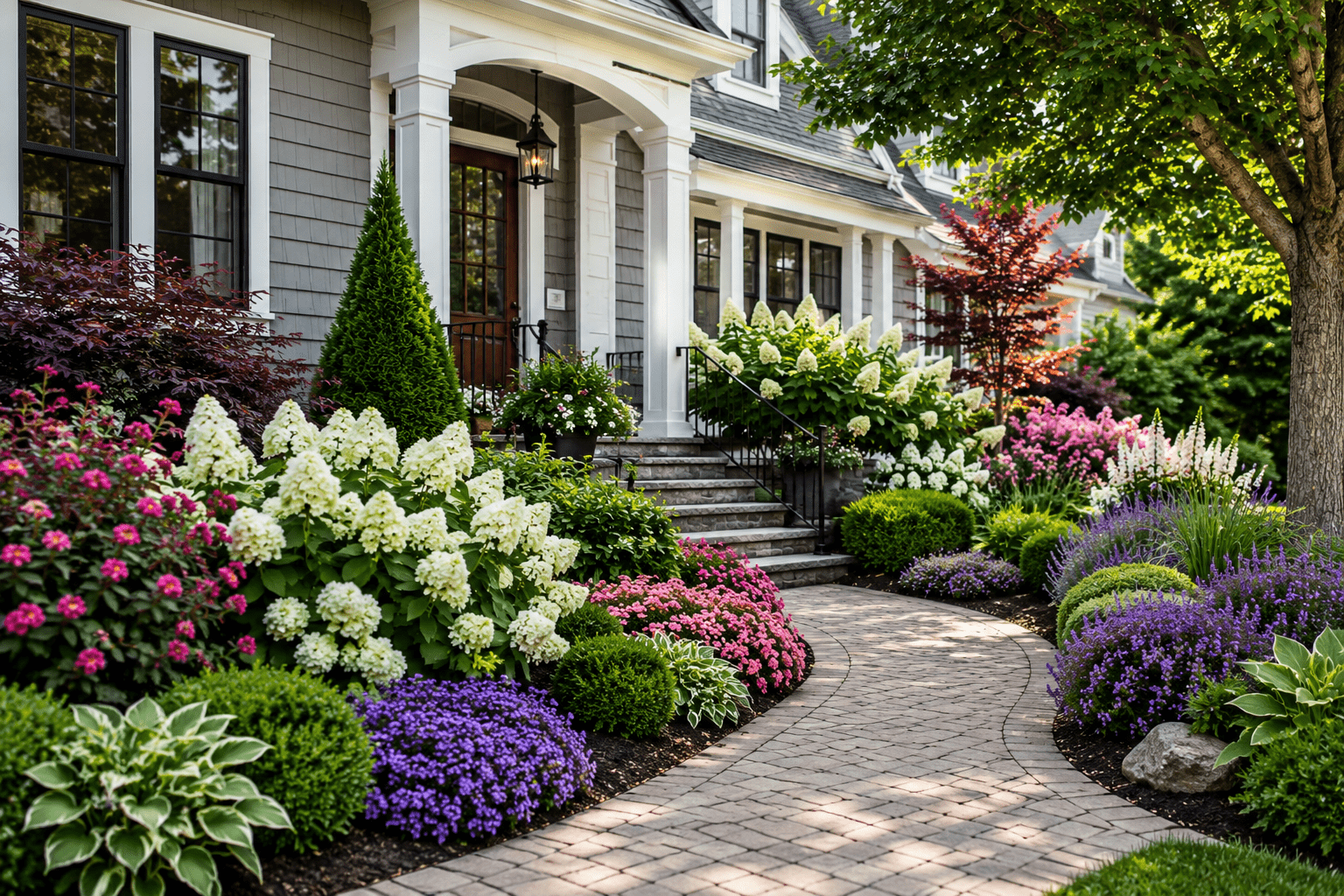
Pollinator gardens have evolved far beyond wildflower patches.
Modern pollinator gardens are intentionally designed with:
- Structured layouts
- Layered blooms
- Seasonal color
- Decorative grasses
- Stone edging
- Attractive pathways
These gardens support:
- Bees
- Butterflies
- Birds
- Beneficial insects
while remaining polished enough for front-yard curb appeal.
6. Smart Irrigation Systems Become Standard
Technology continues improving landscape efficiency.
2027 will likely see wider adoption of irrigation systems that automatically adjust watering based on:
- Rainfall
- Weather forecasts
- Soil moisture
- Seasonal temperatures
Benefits include:
- Lower water bills
- Healthier plants
- Less wasted water
- Reduced maintenance
Many systems can now be managed entirely through smartphone apps.
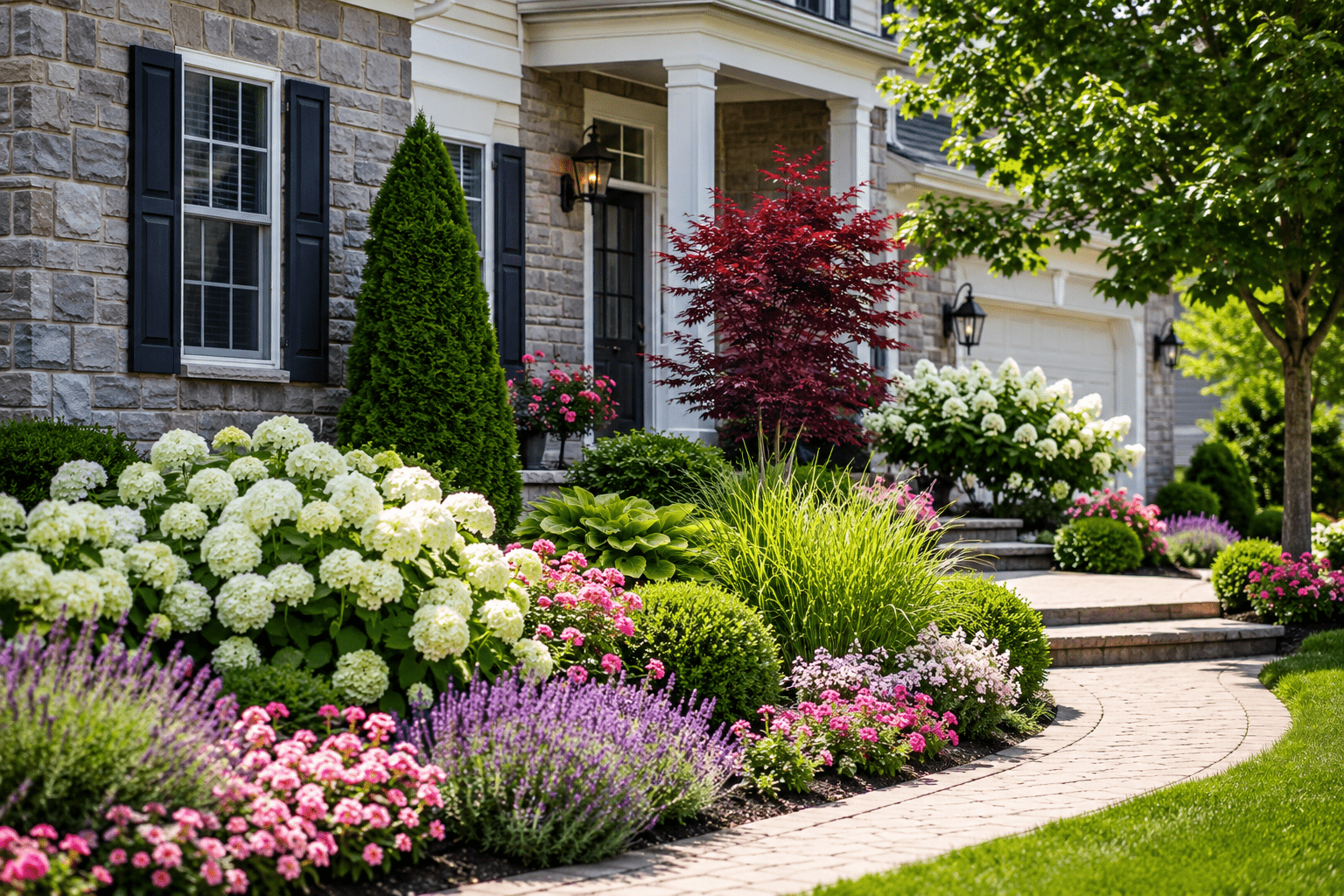
7. Organic Shapes Replace Straight Lines
Rigid geometric landscapes are giving way to softer, more natural forms.
Expect to see:
- Curved pathways
- Flowing planting beds
- Meandering borders
- Rounded patios
- Organic seating areas
These designs blend more naturally into the surrounding environment while creating a more relaxing visual experience. Designers are increasingly favoring layered planting and natural geometry over formal layouts.
8. Sustainable Materials Take Center Stage
Homeowners are asking more questions about where materials come from.
Popular choices include:
- Reclaimed stone
- Recycled pavers
- Locally sourced boulders
- Sustainable hardwoods
- Permeable pavers
- Recycled composite decking
Besides reducing environmental impact, many of these materials are also longer lasting.
9. Privacy Landscaping Replaces Traditional Fences
Rather than surrounding properties with tall privacy fences, many homeowners are using living screens.
Popular choices include:
- Arborvitae
- American Holly
- Viburnum
- Serviceberry
- Ornamental grasses
- Evergreen shrubs
Layered plantings create:
- Better privacy
- Wildlife habitat
- Wind protection
- Seasonal interest
while looking far more attractive than a solid wall.
10. Multi-Season Landscapes Become Essential
Instead of designing for spring alone, landscapes are now expected to provide interest throughout the year.
Designers intentionally combine plants that provide:
Spring:
- Flowers
Summer:
- Color
- Texture
Fall:
- Brilliant foliage
- Seed heads
Winter:
- Evergreen structure
- Bark interest
- Decorative grasses
Every month offers something beautiful.
11. Wellness Gardens Continue Growing
Mental health and wellness remain major influences on landscape design.
Many homeowners now request gardens specifically designed for relaxation.
These often include:
- Water features
- Fragrant flowers
- Comfortable seating
- Shade gardens
- Meditation spaces
- Quiet reading areas
Nature has become an important part of everyday stress reduction.
12. Edible Landscaping Looks Better Than Ever
Vegetable gardens no longer need to hide in the backyard.
Today’s edible landscapes combine:
- Herbs
- Blueberries
- Fruit trees
- Decorative lettuce
- Kale
- Flowers
- Raised beds
The result is both productive and beautiful.
Many homeowners appreciate growing fresh food without sacrificing aesthetics.
13. Outdoor Lighting Becomes More Artistic
Landscape lighting is moving beyond simple security fixtures.
Expect to see:
- Moonlighting
- Tree uplighting
- Path lighting
- Accent lighting
- Architectural lighting
- Under-step lighting
- Fire features
The goal is creating an atmosphere rather than simply illuminating the yard.
Energy-efficient LED fixtures continue dominating the market.
14. AI-Assisted Landscape Design Expands
Artificial intelligence is beginning to transform landscape planning.
Homeowners increasingly use AI tools to:
- Visualize renovations
- Compare planting options
- Estimate maintenance
- Generate design concepts
- Experiment with color palettes
Professional designers are also incorporating AI into early concept development while relying on human expertise for site-specific decisions and construction documentation.
15. Low-Maintenance Luxury Defines High-End Design
Perhaps the biggest trend of all is combining luxury with simplicity.
Instead of filling landscapes with dozens of demanding plants, homeowners are choosing:
- Durable materials
- Long-lived perennials
- Evergreen structure
- Automated irrigation
- Native species
- Decorative mulch
- Simple planting palettes
The result is a landscape that feels elegant without requiring constant upkeep.
As economic conditions continue encouraging thoughtful spending, homeowners are prioritizing quality foundational elements that deliver lasting value over elaborate, high-maintenance features.
Looking Ahead
The defining landscape trend for 2027 isn’t a single plant, patio style, or garden feature—it’s intentional design.
Homeowners increasingly want landscapes that are beautiful, functional, environmentally responsible, and built to last. Native plants, climate-adapted designs, outdoor living spaces, and low-maintenance solutions are no longer niche ideas; they’re becoming the foundation of modern landscape architecture.
For landscape designers, this presents an opportunity to move beyond creating attractive yards and instead craft outdoor spaces that enhance daily living while supporting healthier ecosystems. The most successful landscapes of 2027 will balance aesthetics with practicality, creating gardens that conserve resources, adapt to changing climates, invite wildlife, and provide year-round enjoyment with less maintenance.
Ultimately, the future of landscape design is about working with nature rather than against it. By embracing these emerging trends, homeowners can create outdoor spaces that remain beautiful, resilient, and valuable for years to come.